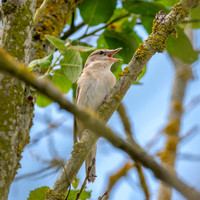
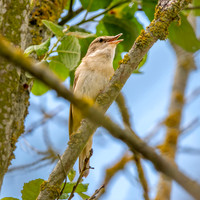
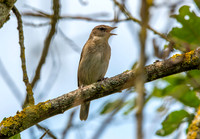
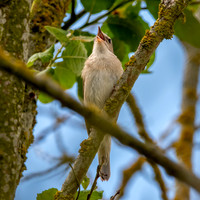
The elusive garden warbler (Sylvia borin) was named in the early 19th century because it occasionally frequented large, mature country gardens that bordered woodland areas. A common and widespread small bird, it breeds in most of Europe and in the Palearctic to western Siberia. Its plain, brown appearance hides some of the most remarkable behaviours in the animal kingdom. It uses special eye proteins called cryptochromes to literally see Earth’s magnetic field. It sings loud, beautiful melodies from the deepest, darkest tangles of bushes, making it notoriously hard to spot, especially as it has no distinct markings – no eye strips, wing bars, or bright feathers. It is a long-distance migrant to the UK – arriving from sub-Saharan Africa in late April or May to breed, and depart back to West Africa by early autumn.
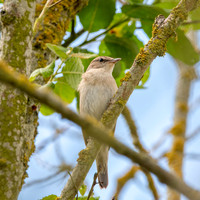
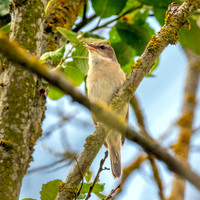
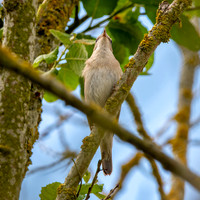
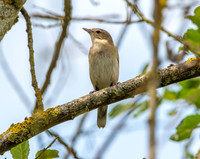
© BirdsImageStock